Introduction
Imagine you are standing at busy railway station with hundreds
of trains coming and going. Each train represents a mutual fund some fast, some
slow, some risky, some stable. You know your destination: Wealth creation. But
which train do you think to board?
That’s where many investors in India find themselves today.
With Over 74.41 lakh crore in Assets Under Management (AUM) and more than 24.13 crore mutual fund folios as of 2025 (AMFI data), India’s mutual fund industry is booming. Digital platforms and DIY application provides you direct access of Mutual Fund Scheme, while mutual fund distributer continue to guide millions through complex choices.
But in this era of technology many financial app and YouTube finance gurus, the big question is "Do you really need a mutual fund distributor anymore?"
Or is it smarter (and cheaper) to go solo?
This blog breaks down that decision for you—based on actual facts, investor needs, and real-world scenarios. Whether you're a starting the investment journey or someone looking to optimize your portfolio, read on to find out whether a mutual fund distributor is a helping you to growth or a hindrance to your financial journey.
Who is a Mutual Fund Distributor?
A Mutual Fund Distributor functions as an essential navigational expert throughout your investment expedition.
A mutual fund distributor represents an entity or person who assists investors in selecting and purchasing mutual funds tailored to their financial objectives, risk tolerance, and investment duration. Perceive them as entities that link investors such as yourself to the myriad mutual fund options present in the marketplace.
Distributors seeking to conduct business within India's legal and ethical frameworks need to obtain registration through AMFI (Association of Mutual Funds in India). During the registration process individuals obtain a distinctive ARN (AMFI Registration Number) which you can confirm through AMFI's official website.
Their responsibilities extend beyond merely selling funds.
A mutual fund distributor generally performs the following tasks:
- The system identifies and suggests appropriate mutual fund schemes tailored to your specific objectives such as retirement planning, wealth accumulation, and funding your child's education.
- The onboarding process combined with KYC documentation becomes more accessible for new investors through these features.
- The service delivers continuous assistance by enabling SIP initiation, monitoring fund performance, executing fund switches when necessary, and keeping you informed about market trends.
These intermediaries connect investors with mutual fund companies (AMCs) while ensuring you remain well-informed and secure in your financial choices.
What Does a Mutual Fund Distributor Do?
Selecting the best-performing mutual fund scheme isn't the only thing involved in investing in them. It all comes down to selecting the fund that best suits your objectives, income, risk tolerance, and stage of life.
A mutual fund distributor (MFD) is crucial in this situation. They are more than just "salespeople." A competent distributor turns into a financial partner who supports you during each stage of your investment process.
A mutual fund distributor usually does the following:
1. Tailored Portfolio Recommendations

Each investor is unique. A young couple saving for a home is not the same as a college student saving for a laptop.
Distributors assist you in determining your financial objectives and risk tolerance before recommending mutual fund schemes that are appropriate for you, whether they be debt, equity, or hybrid fund.
2. Support for KYC and Onboarding
Getting your KYC (Know Your Customer) in order is the first step in investing. Even though some platforms do it digitally, new users may find the process confusing.
Distributors make the paperwork easier, walk you through the steps, and make it simple to open an investment account.
3. Continuous Assistance and SIP Administration
Investing is a not one time journey rather is a continuous process.
Distributors assist you:
- Establish and oversee Systematic Investment Plans (SIPs),
- Recommend switches or rebalancing when market conditions shift
- Monitor fund performance and gradually align with your objectives and refrain you from making rash decisions during market declines.
4. Educating Beginner Investors
Distributors are more than just middlemen; they are mentors. They provide straight forward explanations of important ideas like NAV, returns, volatility, and tax impact.
For investors who are new to investing or are not tech-savvy, this is especially beneficial because they need someone to "translate finance" into common language.
💼 Example: A Real-Life Scenario
Meet Rohan, a 26-year-old software engineer from Pune.
He wanted to start investing but felt overwhelmed by YouTube videos and conflicting advice online. That’s when he connected with a mutual fund distributor recommended by a friend.
The distributor:
- Helped him assess his financial goals: travel fund, emergency fund, and long-term wealth creation
- Set up his KYC and investment account in less than 2 days
- Started him on three simple SIPs based on his risk profile
- Explained how market fluctuations work, so Rohan wouldn’t panic during a market dip
- Checks in every few months to review and adjust his portfolio
Today, Rohan confidently invests ₹8,000/month in mutual funds—and refers his colleagues too.
When is a Mutual Fund Distributor Necessary?
While mutual fund investing has become more accessible in this era, but not every investor is ready to go solo. In several real-life situations, a distributor plays a vital role:
First-Time Investors
New investors often feel confused by terms like NAV, SIP, equity vs. debt, etc even if he/she understand new problem arrives that there are nearly 1800 mutual fund schemes. A distributor helps break down these concepts and handholds them through the first investment steps.
Investors from Tier 2 and Tier 3 Cities
 Digital adoption is growing, but many investors in smaller towns still
prefer human guidance. Limited access to investment education and
hesitation with online tools make distributors a valuable asset.
Digital adoption is growing, but many investors in smaller towns still
prefer human guidance. Limited access to investment education and
hesitation with online tools make distributors a valuable asset.
📊 Stat: According to AMFI data, over 40% of SIP accounts in India are initiated through distributors, showing their continued importance across the country.
Busy Professionals
Lot of people are salaried individuals don’t have the time to analyze markets, track portfolios, or rebalance funds. Distributors provide periodic reviews and reminders that help maintain discipline.
Elderly or Non-Tech-Savvy Clients
People who are uncomfortable with technology or online platforms benefit from the personalized, offline support of a distributor especially when it comes to paperwork or fund switches.
When Might You Not Need a Distributor?
The necessity of mutual fund distributors does not apply universally to all investors.
Individuals possessing financial literacy who feel at ease with independent investment decision-making have the option to invest directly using platforms such as:
- Zerodha Coin
- Groww
- Paytm Money
- AMC Direct Portals,etc

Entities Grasping Fundamental Investment Principles
Investors skilled in fund category comparison and risk evaluation who choose assets based on allocation principles might opt to manage their portfolios independently without seeking intermediary guidance.
Investors Focused on Cost Management
A minuscule trail commission, detailed later, is embedded within the Regular plan of a mutual fund for distributors. To prevent potential losses while seeking optimal returns, consider investing in Direct plans that feature reduced expense ratios.
📊 Stat: The AUM under Direct Plans experienced remarkable growth to reach ₹12 lakh crore in 2025 which indicates a powerful trend toward self-directed investing among knowledgeable investors.
Benefits of Working with a Mutual Fund Distributor
Even in this digital India era, a good distributor can offer several advantages working with them are:
- Personalized Advice: Tailored suggestions based on your life goals and income.
- Timely Rebalancing: Suggesting when to shift funds or rebalance your portfolio during market changes.
- Behavioral Coaching: Helping you stay calm during market crashes and avoid panic selling.
- Goal-Based Planning: Creating investment strategies for retirement, children’s education, travel, etc.
- Consistent Support: Keeping your investment journey on track with regular reviews and insights.
Mini-Client Story:
Suman, a 35-year-old schoolteacher from Indore, wanted to start a SIP but was nervous about choosing the wrong fund. Her distributor patiently explained asset classes, recommended a balanced hybrid fund, and set up her monthly SIP. Three years later, Suman has increased her investment and even started a SIP for her child’s education—all with the help of the same distributor who checks in twice a year.
Are Mutual Fund Distributors and Investment Advisors the Same?
Many people confuse mutual fund distributors with SEBI-registered investment advisors but their roles, regulations, and compensation models are quite different.
Here’s a quick comparison:
|
Feature |
Mutual Fund Distributor |
Investment Advisor |
|
Registration |
AMFI (ARN) |
SEBI (RIA) |
|
Revenue |
Trail commission from AMC |
Fee charged to client |
|
Product Scope |
Mostly mutual funds |
Broader (MFs, stocks, insurance, etc.) |
|
Suitability |
General fund matching |
Personalized financial planning |
|
Conflict of Interest Risk |
Possible (commission-based) |
Lower (fee-only model) |
Both can be useful depending on your needs, but transparency and trust are key no matter whom you choose.
How Does a Mutual Fund Distributor Earn?
Distributors earn a trail commission from Asset Management Companies (AMCs). This means they receive a small percentage of the investment amount every year, as long as you stay invested in the scheme.
- No upfront commission is allowed (SEBI banned it to protect investors).
- Commissions are already built into the Regular Plan’s expense ratio—you don’t pay extra out of pocket.
- Distributors are now required to disclose their commission structure clearly.
💡 Fact: SEBI has implemented several reforms to improve transparency. The “cost disclosure” rule ensures investors know exactly how much of their money goes into expenses, including distributor commissions.
How to Choose the Right Mutual Fund Distributor?
Not all distributors are equal. To make the right choice:
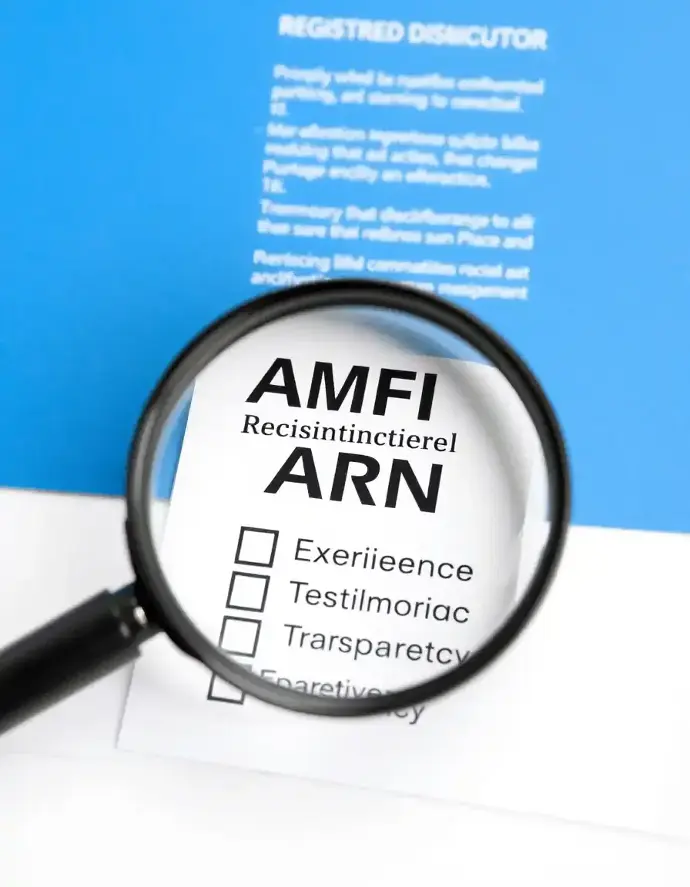 Check their AMFI Registration (ARN):
Make sure they are officially authorized.
Check their AMFI Registration (ARN):
Make sure they are officially authorized.- Ask About Experience: How long have they been in the field? Do they serve clients like you?
- Look for Testimonials or Referrals: A good reputation speaks louder than/ advertisements.
- Ensure They Offer Regular Portfolio Reviews: One-time advice isn’t enough.
- Check for Transparency: A reliable distributor will clearly explain the commission model and won’t push products just for higher payout.
- Choose Someone Who Educates: The best distributor is one who empowers you with knowledge—not just tells you what to buy.
Blog Summary: Do You Really Need a Mutual Fund Distributor in 2025?
Imagine mutual funds like trains at a busy station. You know your goal is wealth creation—but which train (fund) should you board? That’s where a mutual fund distributor (MFD) comes in.
This blog helps investors—especially beginners—understand the role of MFDs in India’s booming ₹74.41 lakh crore mutual fund market. It breaks down who distributors are, what they do, and whether you need one based on your personal situation.
When is a distributor helpful?
They’re a big help if you're a first-time investor, from Tier 2 or Tier 3 cities, or someone who needs guidance on SIPs, rebalancing, or goal planning. They also assist the elderly or non-tech-savvy investors with offline support and paperwork.
But if you’re financially aware, comfortable using platforms like Groww, Coin, or AMC portals, and want to save on expenses by choosing Direct Plans, you may not need one.
The blog also explains how MFDs earn through trail commissions, how they differ from SEBI-registered advisors, and how to pick a trustworthy distributor.
🔑 Takeaway: A good mutual fund distributor can be your financial co-pilot—but only if their service adds value beyond what digital tools offer. Make your choice based on your confidence, experience, and investment needs.